Istanbul Airport Transfer: Havaist, the M11 or a Taxi into Town?
Istanbul has two airports just like Rome, but a completely different starting point: no direct train, a metro network still being finished, and an airport taxi reputation that genuinely deserves caution.

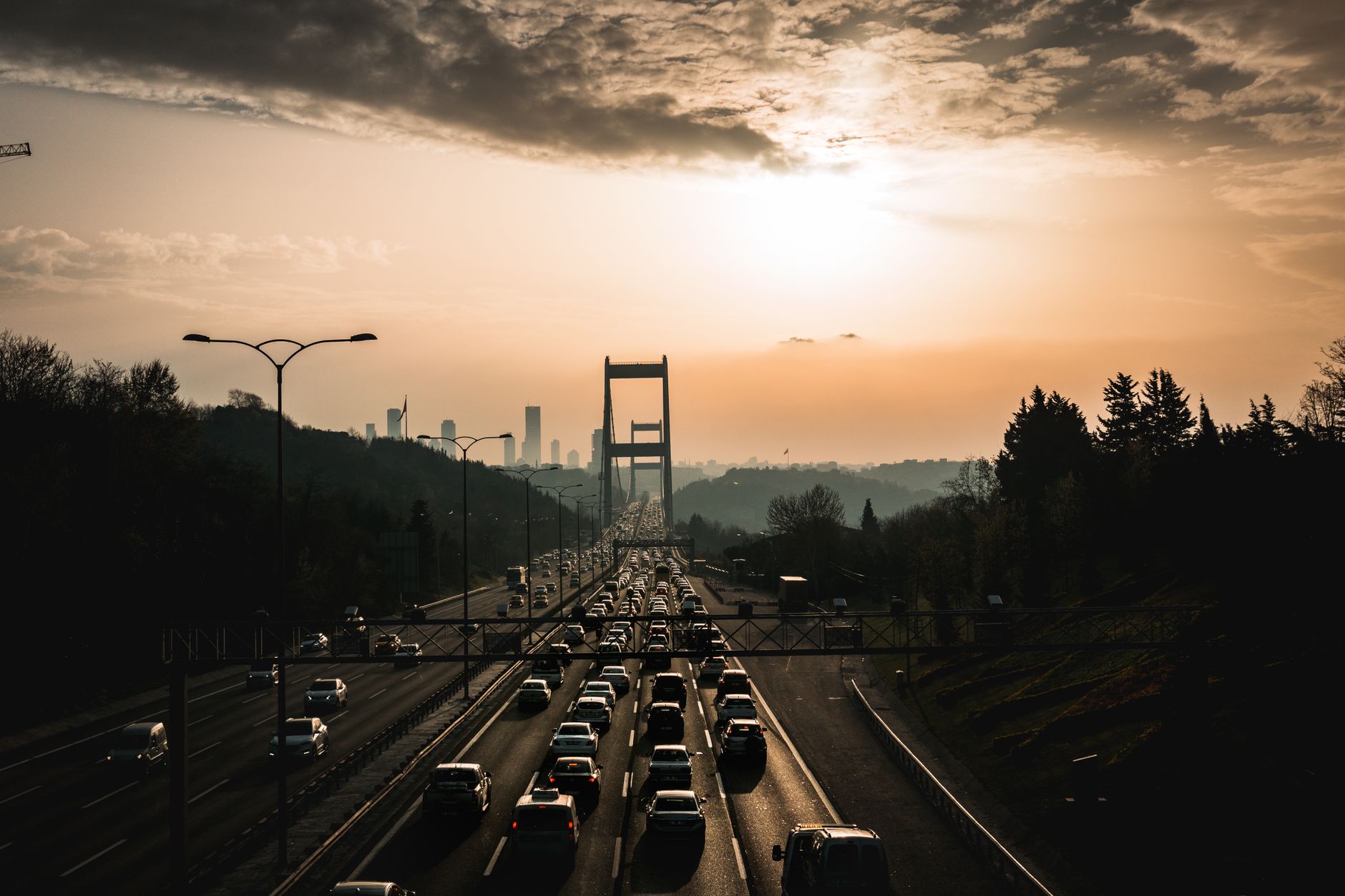
Search “Istanbul airport transfer” and you’re probably hoping for one clean answer: a train, a bus line, done. Istanbul hands you a web of options instead, one that’s changed completely over the last few years — plus a second question that trips up plenty of travellers from Germany and the UK alike: are you even landing at the airport you think you are?
The newer main airport, officially just “Istanbul Airport” and coded IST on your ticket, sits way out in the north-west of the city on the Black Sea coast, built to replace the old Atatürk Airport entirely. Since opening in 2018/2019 it’s been one of the largest airports on earth, with a terminal roof under which it’s genuinely easy to lose your bearings, and a transport link that only became properly competitive once the new M11 metro line arrived. That’s what this piece is about: which of the options — the Havaist bus, the metro, a taxi, or a pre-booked private transfer — actually makes sense for your arrival, and where the taxi pitfalls lie that regularly wreck first-time visitors’ holiday budgets.
Two Airports, Two Worlds: IST or SAW?
Istanbul, a bit like Rome, has two airports serving the city — except here they’re not just in different directions, they’re on two different continents. Istanbul Airport (IST) sits on the European side, roughly 35 km as the crow flies, closer to 45 km by road, north-west of the old town. This is where the big scheduled flights land, Turkish Airlines calls it home, and most direct routes from Germany and the UK arrive here.
Sabiha Gökçen (SAW) sits on the Asian side, roughly 32 km south-east of the centre, near the districts of Pendik and Kurtköy. The two airports are around 63 km apart across the city — a trip that can easily take two hours in Istanbul’s rush-hour traffic. SAW is home to Pegasus and AJet, Turkey’s two big low-cost carriers, which is exactly why a lot of package and charter flights from Germany and the UK land there rather than at the larger IST. So check your booking confirmation first, not your memory of “Istanbul” — the airport code on the ticket decides your entire transfer plan.
Havaist: The Bus Network from the Airport
Havaist is the official airport bus operator, running a network that fans out from the terminal to pretty much every corner of the city — towards Taksim and Beşiktaş on the European side, towards Aksaray near the old town, even across one of the Bosphorus bridges to Kadıköy on the Asian side. The best-known and most frequent route runs to the Aksaray metro and tram interchange, from where the T1 tram continues in a few minutes to Sultanahmet and Eminönü. That service runs non-stop every 25 to 30 minutes, takes around 90 minutes depending on traffic, and last cost the equivalent of roughly €5–6 (as of 2024/25) — given Turkey’s persistently high inflation, I’d budget towards the higher end, or a bit above it, for 2026.
Buses depart from Level -2 of the terminal, and tickets are available through the Havaist app, at machines on site, or with an Istanbulkart or contactless bank card tapped directly as you board. Handy detail: unlike a lot of European airport buses, you don’t need to buy anything in advance — contactless payment on the bus itself works reliably. For destinations like Taksim or Beşiktaş, every bit as popular with visitors as the old town, separate Havaist routes run at a similar price range of roughly €2–7, depending on the route and time of day (as of 2026).
M11 and M2: Into the Centre by Metro
The real step forward of the last few years is the M11 metro line, which finally gives the airport a direct rail link into Istanbul’s network. It runs between Gayrettepe in the centre and Halkalı in the west, via the airport and 16 stations across 69 km in total — fully automated and driverless since early 2024, reaching speeds of up to 120 km/h between stations. The airport section opened in 2023; the last gap, between Halkalı and Arnavutköy, was only closed in 2026.
For your arrival, the station that matters is Gayrettepe, where the M11 meets the M2 line, Istanbul’s main north–south metro running through Şişli, Taksim, Şişhane and Vezneciler down to Yenikapı, where the Marmaray rail tunnel runs beneath the Bosphorus to the Asian side. Combining M11 and M2 gets you from the terminal into the centre in a little over 50 minutes, with trains roughly every 20 minutes on the M11 and every 10 minutes on the M2 — services thin out in the evening, and the airport station runs from around 06:15 to just after midnight. You pay with an Istanbulkart, bought and topped up at machines right at the airport; thanks to the transfer discount, combining both lines costs only a little more than a single ride. The downside against the bus: you have to change trains, and with a lot of luggage, working through two metro stations is noticeably less convenient than a bus door that opens right at the terminal.
Taxi from Istanbul Airport: Fare Tiers and the Overcharging Trap
This is the section you actually want to read before you land in Istanbul — more so than for any other destination in this series, if I’m honest.
Istanbul officially runs three taxi tiers: the standard yellow taxi (sarı taksi), the turquoise taxi (turkuaz taksi) at roughly a 15% premium, usually with an English-speaking driver and card payment, and the black VIP taxi (siyah taksi) at around a 70% premium for larger or more comfortable cars. Fares apply regardless of time of day, and tipping is customary but not compulsory. Official taxi ranks are clearly signposted on every arrivals level — and that’s genuinely where you should be heading. For the roughly 44 km run into the centre, budget somewhere around €40–55 (as of 2026, priced in Turkish lira and moving fast with inflation), with a journey time of 35 to 50 minutes depending on traffic.
Now for the uncomfortable truth: overpriced airport taxis are a real, long-documented problem in Istanbul, not an occasional rumour. The usual tactics: drivers who approach you in the arrivals hall before you’ve even reached the official rank, quoting their own inflated flat fee. The supposedly “broken” meter, replaced by a verbally agreed lump sum. Deliberately roundabout routes, aimed at passengers who obviously don’t know the city. And confusion over large lira banknotes that look similar but carry very different values.
The defence is simple, but you have to actively insist on it: only take a taxi from the official rank, insist the meter is running, and keep in mind which colour justifies which premium — a yellow taxi charged at black-taxi rates isn’t a matter for negotiation, it’s simply wrong. A reliable alternative is BiTaksi, Istanbul’s dominant taxi app, which shows you a transparent fare estimate before you even get in. For how a metered taxi fare is actually built up — base charge, per-kilometre rate, waiting time — see Taxi Fares in Germany; the principle is similar everywhere, Istanbul just needs extra vigilance because of the three fare tiers and the inflation.
The Pre-Booked Private Transfer
If all that sounds like more risk than you fancy on arrival day, a pre-booked private transfer is the calmer answer. A driver waits in arrivals with your name on a sign, tracks your flight number, and adjusts the pickup time if your flight runs late. The price is fixed at booking, typically from around €35–40 per car for the run into the centre (as of 2026) — close to the official taxi fare, sometimes a touch above it, but without ever wondering whether the meter is actually running.
For groups or families with a lot of luggage, this pretty much always pays off, for the same reason I gave for the long coastal runs in Airport Transfer Antalya: a price fixed before you’ve even left home is worth more than a few euros saved, in an unfamiliar city. Before booking, check that the form actually lists the right airport — IST or SAW — and that any waiting time for a delayed flight is included in the price. Given how enormous IST’s terminal is, it’s also worth asking exactly where you’ll meet your driver; “at the exit” isn’t a usable location on a building this size.
Sabiha Gökçen: The Alternative on the Asian Side
Land at SAW and the maths looks different. The M4 metro line has run directly to the airport since October 2022, though it’s only really useful in one direction: to Kadıköy on the Asian side, in around an hour. To reach the European shore from there, you need either the ferry across the Bosphorus or a change onto the Marmaray line at Ayrılık Çeşmesi station — unlike the M11 at IST, the M4 isn’t directly linked into the rest of the metro network.
Havaist and the city’s İETT buses also run from SAW, with Havabüs services to Taksim (60–90 minutes depending on motorway traffic), the Yenisahra transport hub (around 50 minutes), and the Kadıköy ferry terminal (around 60 minutes), every half hour between 4am and 1am, payable on board with an Istanbulkart. Taxis into the centre tend to run a bit cheaper than from IST, simply because SAW sits closer to the city — as a rough guide, expect somewhat less than the IST fare, though exact amounts move with the same inflation dynamics. SAW is no longer a footnote, either: with over 48 million passengers in 2025 alone, it’s Turkey’s second-busiest airport, and for a lot of German and British Pegasus passengers, it’s the actual arrival point, even though “Istanbul Airport” is the name that sticks in most people’s heads.
Luggage, Night Flights and the TEM Rush Hour
Three practical points that, in the end, often decide the right choice more than the price on paper.
Night flights. Havaist buses and the M11 run late, but thin out noticeably after midnight, and the metro shuts down entirely between around 00:15 and 06:15. If your flight lands deep in the night, a taxi with its round-the-clock fare, or a pre-booked transfer, is the realistic option — not a bus timetable on paper.
Rush hour. Istanbul has some of the densest traffic in Europe, especially on the TEM motorway between the airport and the centre. A run that takes 35 minutes in quiet hours can easily stretch to 90 minutes or more on a weekday rush hour — that hits both taxi and private transfer equally, while the M11, running on its own dedicated track, is entirely unaffected. On a tight schedule, the metro is often the more reliable choice, not just the cheaper one.
Luggage. On the bus, luggage is purely a space question; on the metro, you’re also dealing with escalators and interchange walks. With a taxi or private transfer, extra luggage costs nothing more. With more than two large suitcases per person, I’d choose a taxi or private transfer over the Havaist-bus-plus-walk combination during peak season.
The Mistake That Costs Travellers Money Every Year
The most common expensive mistake in Istanbul isn’t a booking error, it’s saying no too late: anyone who lets a self-declared “taxi driver” approach them in arrivals, instead of walking straight past to the official rank, almost always pays more for it — sometimes a lot more, sometimes only a little, but almost never less than at the rank itself.
The second common mistake is the airport code: a taxi or private transfer booked for IST when the flight actually lands at SAW ends up waiting 63 km away in the wrong place. Package holidays add a third trap: the hotel transfer is often already included in the price. Check your documents before booking anything extra and paying for the same journey twice.
What I’d Check Before the Flight
Which of the two airports it actually is. IST or SAW is stated clearly on the ticket; “Istanbul” alone isn’t enough to go on.
How late your flight lands. After midnight, the balance shifts noticeably towards a taxi or private transfer, because the bus and metro thin out or stop running altogether.
Whether your hotel sits closer to an M11/M2 station or a Havaist stop. That decides comfort more than any few-euro price difference.
Whether the transfer is already included in a package holiday. Two minutes in the booking documents, before anything extra gets booked.
Don’t Forget the Return Trip
The return leg gets underestimated in Istanbul even more easily than the arrival, largely because the city itself demands so much attention.
With a pre-booked transfer, the same rule applies as everywhere: the pickup time at your hotel is earlier than you think, especially if the route crosses the TEM during rush hour. Build in more buffer for IST than for SAW — the longer, more traffic-sensitive route is less forgiving.
Heading back via the M11, allow proper time to walk through the vast terminal complex; at IST, the distance from the metro platform to the check-in desks is often several hundred metres more than you’d expect after a relaxed city break. And for a taxi to the airport: book it the evening before through your hotel reception, an official app, or by phone, rather than hoping to flag one down on the street in the morning — the same caution about fare tier and meter applies just as much on the way out as on arrival.
Another international destination with its own metered system rather than fixed prices is Dubai, covered under taxi cost in Dubai. And for what it looks like when an airport offers a train, an app and a fixed-price desk all at once but splits them across two separate terminals, see Kuala Lumpur airport transfer.
All prices reflect research current as of 2026, with the explicit caveat that the Turkish lira, and every fare denominated in it, moves faster than in most other destinations in this series. What doesn’t change is the basic rule: work out which of the two airports it is first, then choose the transfer — and when it comes to taxis, walk the extra few metres to the official rank rather than not.
Keep reading
Airport Transfer
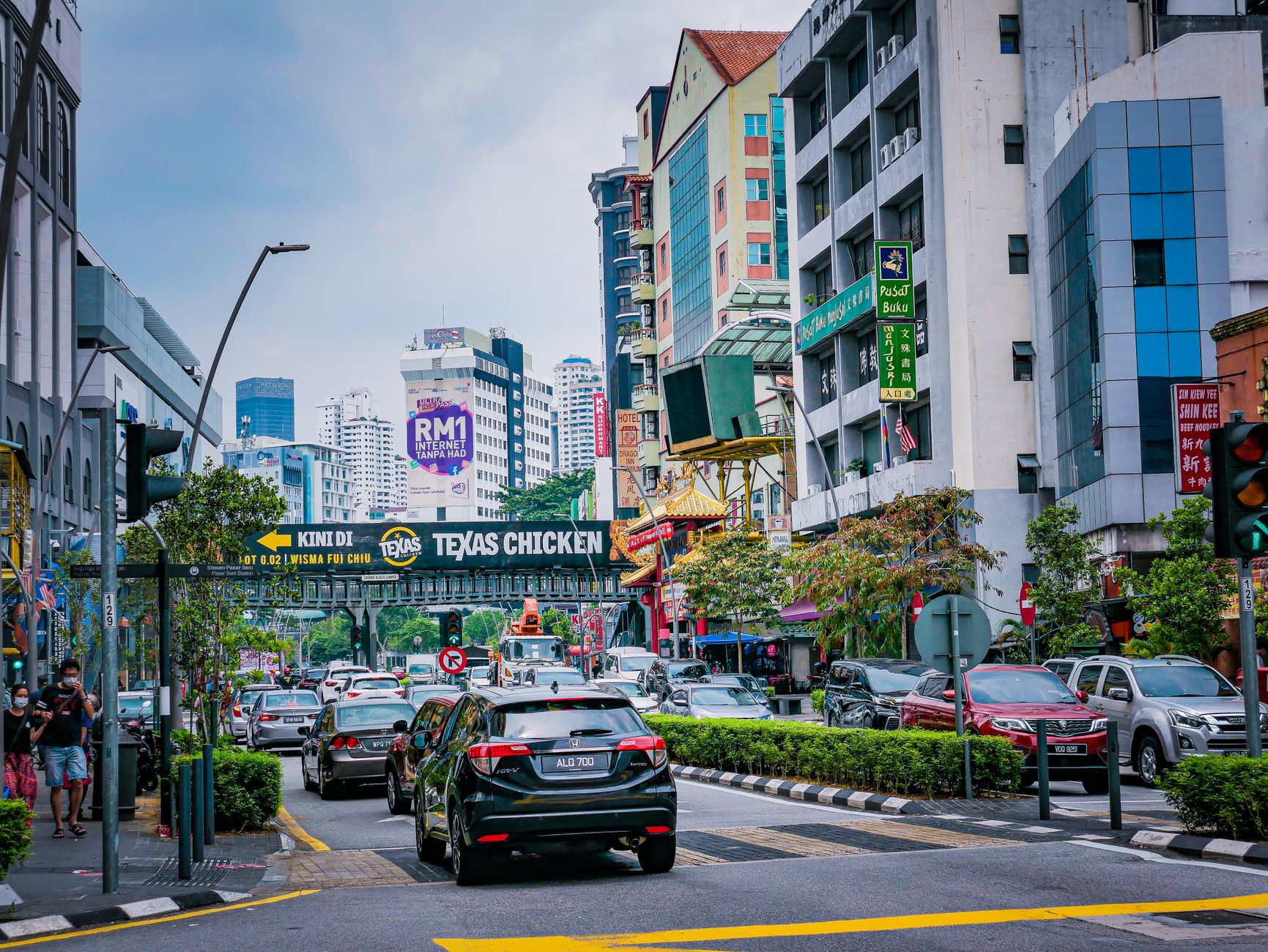
Kuala Lumpur Airport Transfer: KLIA Ekspres, Grab or the Coupon Desk?
Transfers from Kuala Lumpur in 2026: the KLIA Ekspres at RM 55 in 28 minutes, Grab from the right door, the fixed-price taxi desk, and the KLIA2 trap for AirAsia passengers.
Jonas Reinhardt17 September 2026
Airport Transfer
Fuerteventura Airport Transfer: Taxi, Bus or Car Hire?
Fuerteventura Airport in 2026: metered taxis, no flat-fare list, bus line 3 to the terminal — and why Corralejo, Costa Calma and Morro Jable differ hugely.
Jonas Reinhardt15 July 2026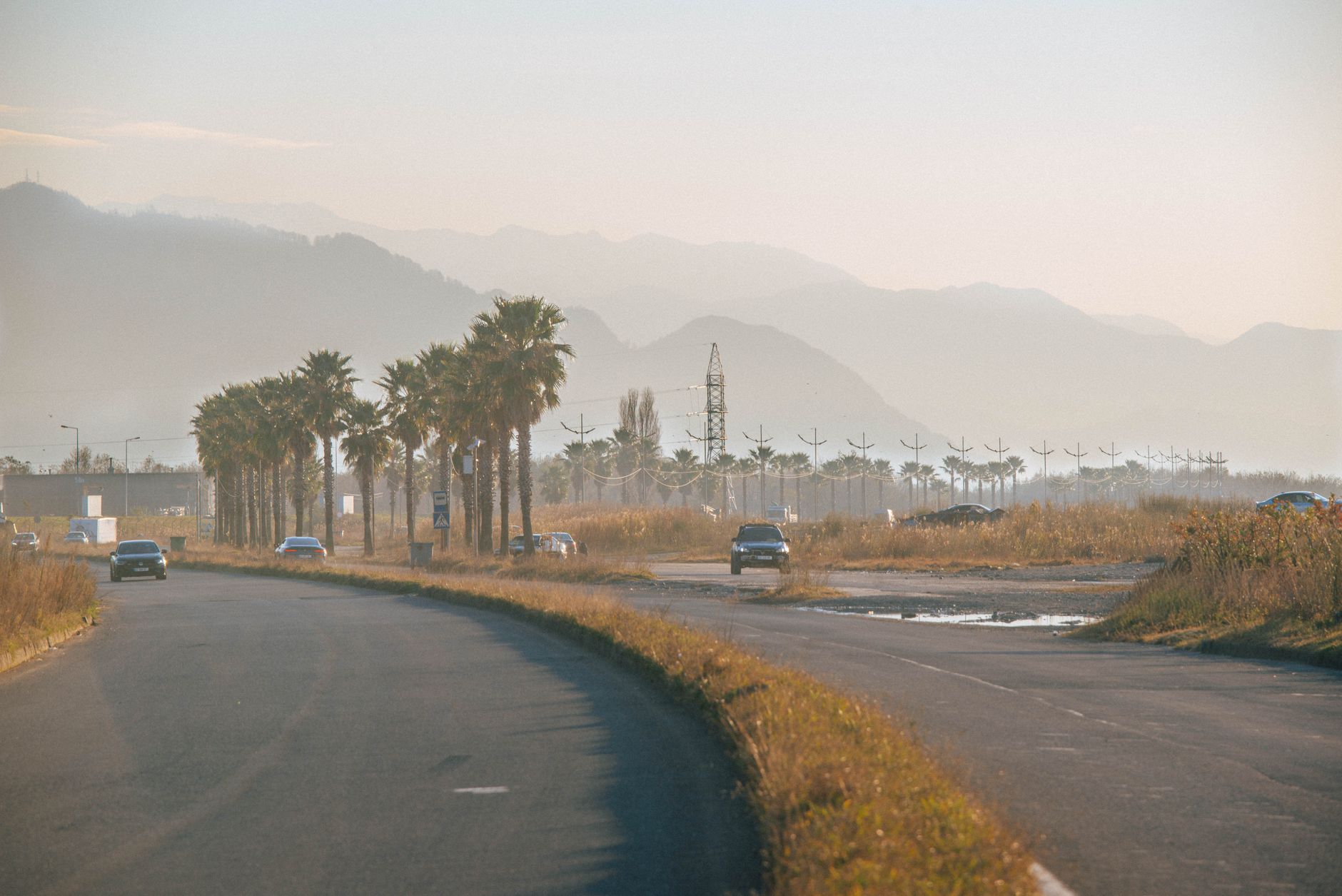
Airport Transfer
Mallorca Airport Transfer: Bus, Taxi or Pre-booked?
From Palma airport in 2026: bus lines A1 and A2, regulated taxi fares with a €4.65 airport supplement — and when a pre-booked transfer still wins.
Jonas Reinhardt14 August 2026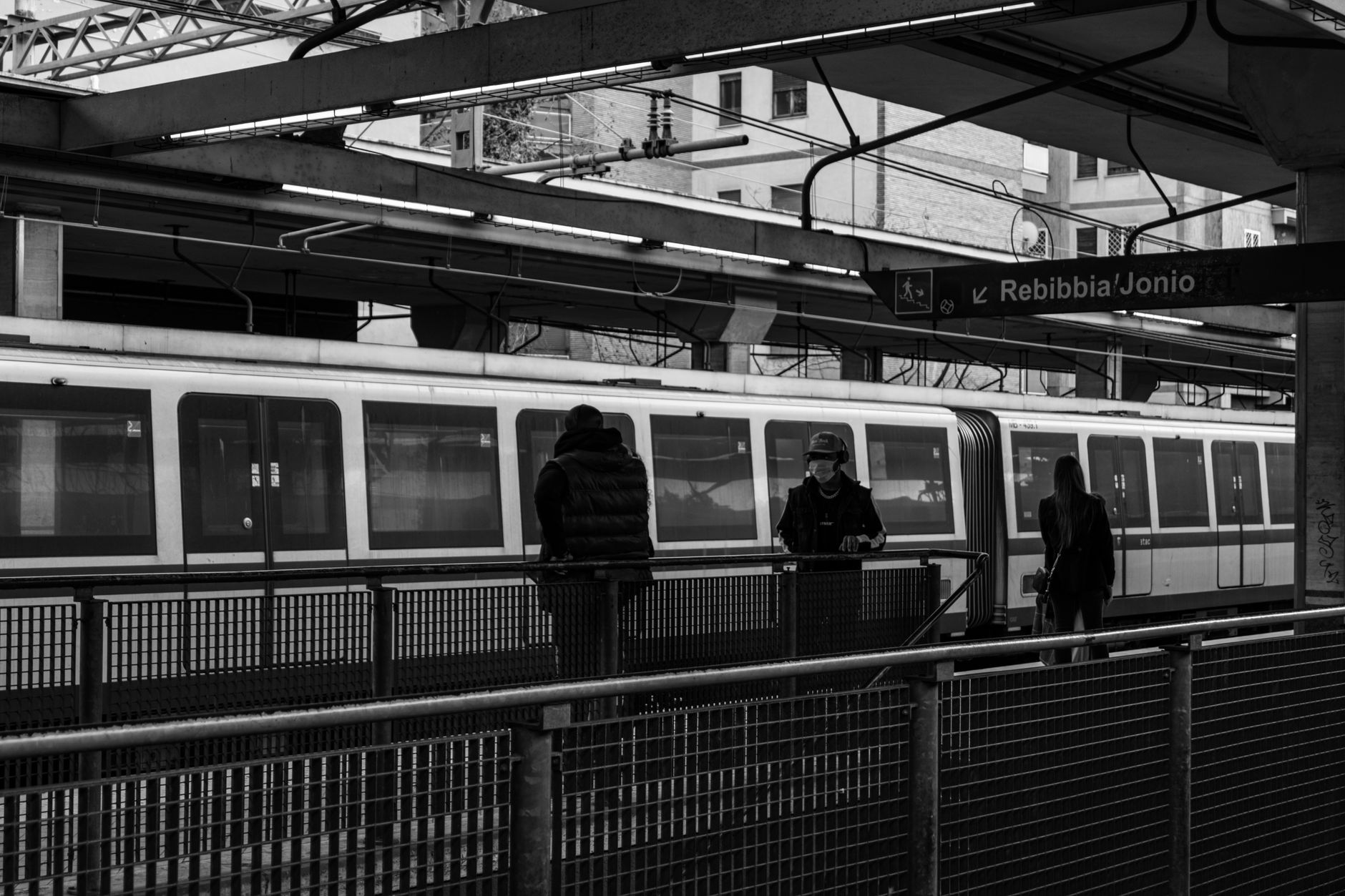
Airport Transfer
Rome Airport Transfer: Fiumicino, Ciampino, Train or Taxi?
Rome airport transfer 2026: Leonardo Express for €14, fixed taxi fares from €40 or €55, the Ciampino Airlink for €2.70 — two airports, two systems.
Jonas Reinhardt18 July 2026
Airport Transfer
Barcelona Airport Transfer: Aerobús, Metro, R2 or Taxi – T1 or T2?
Barcelona-El Prat into the city in 2026: Aerobús for €7.75, metro L9 Sud with a €5.90 airport ticket, the R2 Nord train from T2 only, and taxis with a €4.60 airport supplement and €21 minimum – and why your terminal decides every option.
Jonas Reinhardt25 September 2026